25th Aug 2026
What is a tipping skip? Uses, types and how to choose the right one for you.
What is a tipping skip?
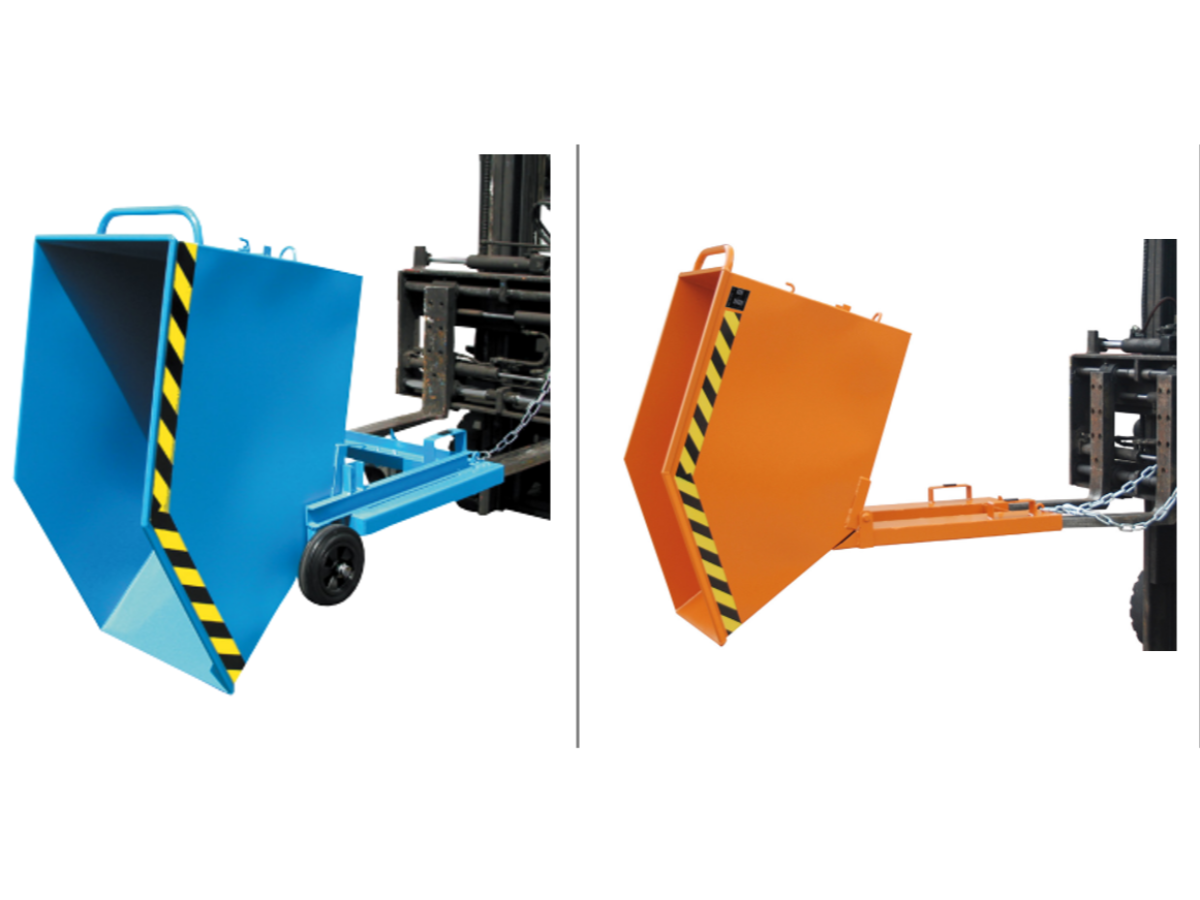
A tipping skip is a heavy-duty steel container designed to collect, move, and discharge materials safely and efficiently. Instead of manually emptying waste, the skip uses a tipping mechanism, often forklift-operated, to release its contents/waste in a controlled and safe way.
What are tipping skips used for?
Tipping skips are used anywhere materials need to be collected, moved, and emptied quickly and safely.
Common use cases can include:
Manufacturing waste such as metal offcuts, swarf, and production by-products
Construction materials including rubble, wood, and debris
Warehouse and logistics waste such as packaging and general waste
Recycling and segregation of different material streams
Types of tipping skips
Not all tipping skips are the same. The right type for you depends on your environment, material, and how the waste needs to be handled.
At Unimac, our range is built around real-world applications and requirements.
You can explore the full range here:
Tipping Skips | Forklift, Hydraulic, Swarf & Barrow | Unimac
Roll forward tipping skips
Designed with a rolling tipping action, these are ideal for controlled emptying and are commonly used in general waste handling and manufacturing environments. Their mechanism allows smooth forward discharge of materials.
Forklift tipping skips
The most widely used option. These attach directly to forklift trucks and allow operators to move and tip waste safely without leaving the cab, they are ideal for larger sites and higher volumes.
See forklift tilting skips also - Forklift Tilting Skips | Tipping Skips | Unimac
Hydraulic tipping skips
Usually used where greater control is needed. Hydraulic systems allow more precise tipping, this makes them suitable for heavier loads or in a more controlled discharge environment.
Swarf tipping skips
These are specifically designed for metalworking environments. These skips are built to handle swarf and often include features such as drainage to separate liquids from waste materials.
Barrow tipping skips
A more compact, mobile option. These are typically used in smaller workspaces or where forklifts aren’t always available, allowing waste to be moved and tipped manually.
Tipping skips for building sites
Designed for tougher environments, these are usually heavier duty skips and are suited for construction waste such as rubble, bricks, and bulk materials, and may have drop bottoms to help with unloading.
What to consider when choosing the right tipping skip for you
When deciding on the correct tipping skip for you, it’s not just about size, but your environment and the waste you’ll be moving.
Key Considerations:
Material type – light waste vs heavy-duty materials
Handling method – forklift, manual, or hydraulic operation
Volume and capacity – current and future waste output
Environment – warehouse, production line, or construction site
Discharge method – controlled tipping vs quick emptying
Weigh all this up and you’ll have a greater understanding of which type of tipping skip is best for you.
How Unimac supports waste handling
At Unimac, tipping skips sit within a wider range of waste handling and material handling solutions designed to improve efficiency and reduce risk on site.
Rather than treating skips as standalone products, the focus is on how they fit into your overall operation and environment from collection, to movement, to disposal.
That’s why the Unimac range includes:
Forklift-compatible tipping skips for efficient bulk handling
Specialist designs such as swarf skips and roll forward skips
Heavy-duty options for construction and industrial environments
Compact solutions for tighter or lower-volume spaces
Tipping Skips | Forklift, Hydraulic, Swarf & Barrow | Unimac
Get in touch
Make sure you’ve chosen the right tipping skip for you and your environment, to make your job easier, safer, faster and more efficient.
Still not sure? – Contact our team and we’d be happy to advise and assist.
Contact Us